

Pigee Acquires 55% Controlling Stake in ShipAfrica to Accelerate West African Expansion
The cross-border logistics-tech acquisition highlights an accelerating M&A trend as foreign platforms leverage local infrastructure and carrier networks to scale across the continent.
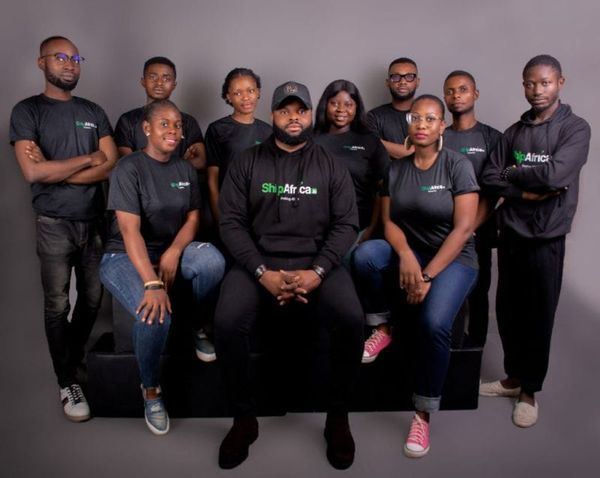
LAGOS & SAN FRANCISCO — US-based logistics-tech company Pigee has agreed to acquire a controlling 55% stake in Nigerian startup ShipAfrica over an 18-month period through a structured combination of cash and equity.
Under the terms of the transaction, ShipAfrica will maintain its existing brand identity, operational structure, and team, with founder Walter Isoko remaining at the helm as Chief Executive Officer.
Bridging Software and On-the-Ground Logistics
The deal merges Pigee’s proprietary international shipping software and cross-border marketplace infrastructure with ShipAfrica’s established network of local fulfillment hubs, partner carrier relationships, and merchant base.
Launched in 2022, ShipAfrica processes more than $5 million in annual gross merchandise value, providing freight forwarding and delivery aggregation for SMEs, exporters, and third-party logistics providers. For Pigee, founded the same year by Leroy Lawrence, acquiring a majority stake provides an immediate operating footprint in West Africa, circumventing the high capital expenditure and regulatory friction required to build local logistics infrastructure from scratch.
“We wanted to work with an operator that already understood the Nigerian market,” noted Pigee CEO Leroy Lawrence, emphasizing the operational depth required to navigate regional trade complexities.
The Rise of Infrastructure-Driven M&A in African Tech
The transaction underscores a broader strategic pivot across Africa’s technology ecosystem, where mergers and acquisitions are increasingly favored over greenfield expansion. As startups and enterprise players seek sustainable growth paths, securing pre-existing local distribution channels, regulatory compliance frameworks, and physical asset networks has become a primary driver of cross-border consolidation.
Logistics transactions, in particular, are emerging as critical consolidation plays, marrying digital freight management systems with last-mile physical execution to overcome fragmented regional supply chains. By integrating ShipAfrica’s local reach into its global network, Pigee aims to streamline trade corridors for merchants scaling from domestic commerce into international markets.
The Intelligence Engine for African Private Capital
Access complete transaction breakdowns, fund strategy updates, and market commentary directly on our platform.
Written by
Read next

Elektron Energy Signs Agreement to Acquire Daystar Power Group from Shell
Elektron Renewables Limited secures 100% acquisition of Daystar Power Group, integrating a premier ~150MW commercial and industrial solar platform across five West African markets.
A.P. Moller Capital Completes Acquisition of Mainstream Renewable Power South Africa
Emerging Markets Infrastructure Fund II acquires 100% of Mainstream South Africa, securing an integrated renewable energy platform with 148 MW of operating assets, 27 MW in construction, and an 11.9 GW development pipeline.
Jet Energy Completes Oversubscribed $38 Million IPO
Moroccan renewable energy player Jet Energy debuts under ticker NRJ following a highly competitive public offering that drew nearly 26,000 investors and MAD 11.78 billion in total demand.
Review of Week of 16 November 2026
This week’s briefing highlights BluePeak’s $25M commitment to AFG Holding, Dodai’s $16M Series A round, First Circle Capital’s $26M fund close, and Saviu II’s €40M final close.
Baobab Group Issues $51.3 Million in Sustainability-Linked Bonds
Beltone Holding’s subsidiary completes dual local-currency issuances in WAEMU, anchored by the IFC and EBRD, to expand MSME lending and financial inclusion.
Africa Fintech Summit Co-Founder Launches Next Roots Ventures to Back Early-Stage Founders
Zekarias Amsalu unveils the $10 million target inaugural fund at Africa Fintech Summit Kigali, building on a nine-year founder ecosystem across Africa and the United States.