

East Africa Foods Secures $40 Million to Expand Regional Agritech Supply Chain
The Dar es Salaam-headquartered food distribution company completes a $26 million Series B equity round co-led by PIDG’s InfraCo, Oikocredit, and FMO to scale post-harvest logistics infrastructure across East Africa.
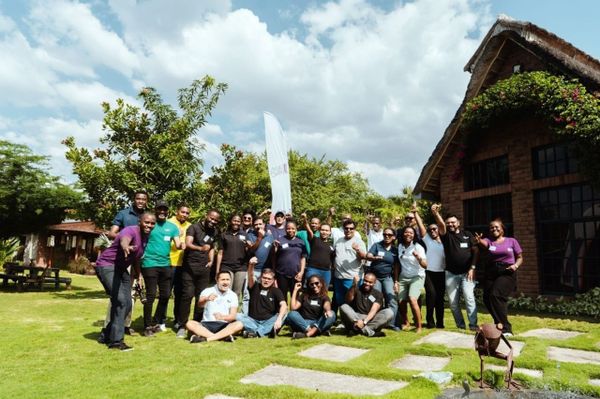
DAR ES SALAAM — Tanzanian agritech and food distribution platform East Africa Foods (EAF) has closed a $40 million (approx. TZS 108.8 billion) financing package to scale its physical and digital agricultural supply chain infrastructure across the region.
The capital raise is anchored by a $26 million (approx. TZS 70.7 billion) Series B equity round co-led by InfraCo, the project development and equity arm of the Private Infrastructure Development Group (PIDG), alongside Dutch development bank FMO and social impact investor Oikocredit.
Existing equity investors reinvesting in the round include the Acumen Resilient Agriculture Fund (ARAF), Goodwell Investments, Africa Eats, and FINCA International. The broader package is complemented by a debt facility provided by The Schmidt Family Foundation. Exclusive financial advisory for the transaction was executed by EKTA Partners.
Tackling Post-Harvest Losses Through Supply Chain Infrastructure
In Tanzania and Kenya, up to 40% of agricultural production is lost before reaching consumers. According to EAF, the primary bottleneck occurs during post-harvest aggregation, storage, and transit rather than in field production.
EAF operates an integrated supply chain model, sourcing directly from over 28,000 smallholder farmers. The company processes, grades, and transports produce using its proprietary fleet of more than 100 vehicles to supply over 10,000 urban retailers. Consumer product lines are distributed under internal brands including Onja, Golden Banana, Onion King, and Potato King. The enterprise reports that its network operations have already reduced post-harvest food losses by one-third across its supply corridors.
Capital Deployment and Regional Footprint Expansion
The new financing will expand EAF's physical processing, cold storage, and logistics capacity, while strengthening the enterprise's digital platform connecting farmers, branch operations, and retail networks.
Proceeds will also drive deeper operational expansion into Kenya. Through this rollout, EAF aims to scale its farmer sourcing network to 100,000 smallholders, targeting a 45% female participation rate, to build more predictable supply lines and stabilize regional food pricing.
The Intelligence Engine for African Private Capital
Access complete transaction breakdowns, fund strategy updates, and market commentary directly on our platform.
Written by
Read next

Khaime Raises $500K Pre-Seed Led by Launch Africa Ventures
The AI-native commerce platform backed by Launch Africa Ventures and Visa Africa FinTech Accelerator enables merchants to sell across social channels, AI agents, and 120+ currencies.
Qualcomm Launches Make in Africa Startup Mentorship Program
The equity-free initiative offers up to 10 early-stage African startups technical mentorship, IP support, stipends, and a Wireless Reach Social Impact Fund grant.
Africa Fintech Summit Co-Founder Launches Next Roots Ventures to Back Early-Stage Founders
Zekarias Amsalu unveils the $10 million target inaugural fund at Africa Fintech Summit Kigali, building on a nine-year founder ecosystem across Africa and the United States.
Axmed Secures $4.28 Million From the Gates Foundation to Expand Retail Pharmacy Procurement in Kenya and Nigeria
The healthcare procurement platform deploys $2.28 million to launch Axmed Retail for Kenyan pharmacies and $2 million for family planning procurement in Nigeria.
Continental Considers Discontinuing Tire Production at Its Gqeberha Plant in South Africa
The German tyre maker initiates a Section 189A consultation putting roughly 950 jobs at risk, following prior Eastern Cape manufacturing exits.
Cloud9 Acquires Canadian Money Services Business Monix Pay
The digital bank for African consumers and businesses gains a FINTRAC-registered Canadian subsidiary to connect cross-border commerce with fewer intermediaries.